Questions Rising Above the City: Towers of the Modern Age
Questions Rising Above the City: Towers of the Modern Age
“Tower” is a concept we are familiar with from history books, listened to from those who travel to distant lands, or traced in the silhouette of our own geography. However, today, as towers rise in the heart of the city as massive structures with changed meanings, shapes, and functions, they awaken new questions in our minds.
Towers in Memory: From Defense to Faith
Britannica defines a tower as “any structure that is relatively tall in proportion to the dimensions of its base.”
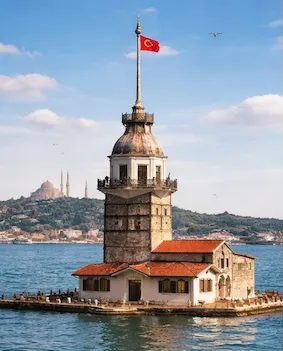
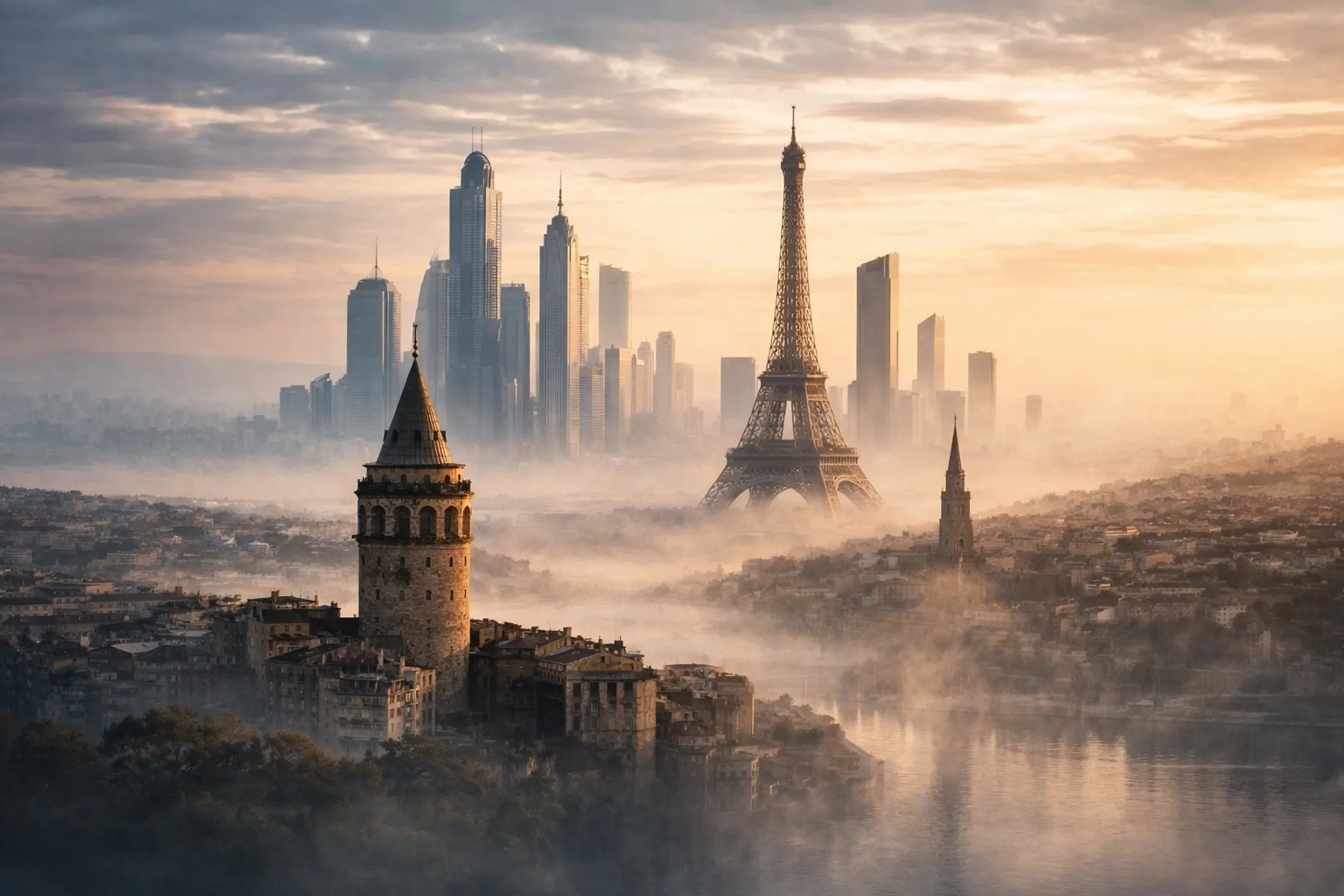
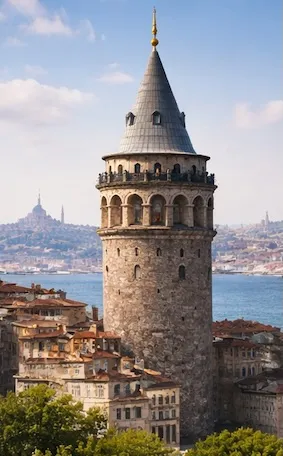
In our historical memory, a tower was often a sign helping with navigation. A reference point etched into a city’s silhouette, revealing its location when viewed from afar. It was an “eye” observing the city in Galata, a body resisting gravity in Pisa, and a scream of steel from the industrial revolution in Eiffel. When built for defense, they were structures looking for the enemy; when built for religious purposes, they sought the “divine”. At times, they became a quarantine area to protect against epidemics, and at other times, stone witnesses to captivity.
Towers of the Modern Age: Distance and Hierarchy
Towers of the modern age (named as skyscrapers by the author) now rise not just as a sign, but as a claim, a spectacle, and sometimes even a demand for rights. These structures reaching towards the sky affect not only the space but also the city’s imagination.
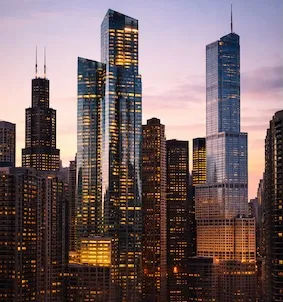
While modern towers carry us to the closest place to the sky, they actually disconnect us from those below—that is, from the world and people. As we go up, everything below shrinks; streets, trees, and people turn into ants. As towers rise, not only does the altitude increase, but so do the expectations and costs. These vertical summits accessible by financial power indelibly etch class differences into the city’s silhouette.
Although this transformation seems explainable by the technical possibilities of architecture, it actually has a deeper mental background. The modern tower is often presented as a “promise of the future”. However, this promise blurs the past instead of connecting with it. Layers carrying memory leave their place to glass surfaces and anonymous interiors for the sake of height. The city’s memory turns into an image reflected on the tower’s shiny facade but not taken inside.
A New Captivity?
Perhaps the real issue is not how high the towers rise, but what they make invisible. The disconnection from the ground, the loss of street scale, daily life becoming watchable from above… All these make the modern tower not just a building type, but a spatial attitude.
The towers of the past were the result of a state of war or a desire to be close to god. Today’s towers are the work of a show of force, a race to be “higher”.
At this point, some questions become inevitable:
Are we fighting an invisible war today to observe below?
Why do we feel the need to go so high?
While building a tower represented a country’s power in the past, do these structures turn into a show of force between individuals today?
And of course, there is the issue of towers housing prisoners or quarantine patients, Which is the most common disease of today?
And perhaps the real question is this: Who are the prisoners now who cannot realize they are prisoners?
📌 Watch the video version of this article on our YouTube channel
🔹 Editorial Note
• This article is part of the Spatial Readings series at Pinatolia, which aims to read architecture through nature, space, and construction knowledge.
🔹 Copyright Note
• The content of this article belongs to the author. It cannot be reproduced or used for commercial purposes without citation.