Taraklı Houses and Cultural Heritage Values
Taraklı Houses and Cultural Heritage Values
Cultural heritage is often perceived as a physical entity belonging to the past that needs to be preserved. However, cultural heritage is not only about structures remaining standing; it is about what values these structures carry and how these values transform over time.
According to UNESCO, cultural heritage is the entirety of tangible and intangible values transmitted by a community across generations. This definition covers not only tangible assets such as monuments and works of art but also intangible elements such as narratives, traditions, and rituals.
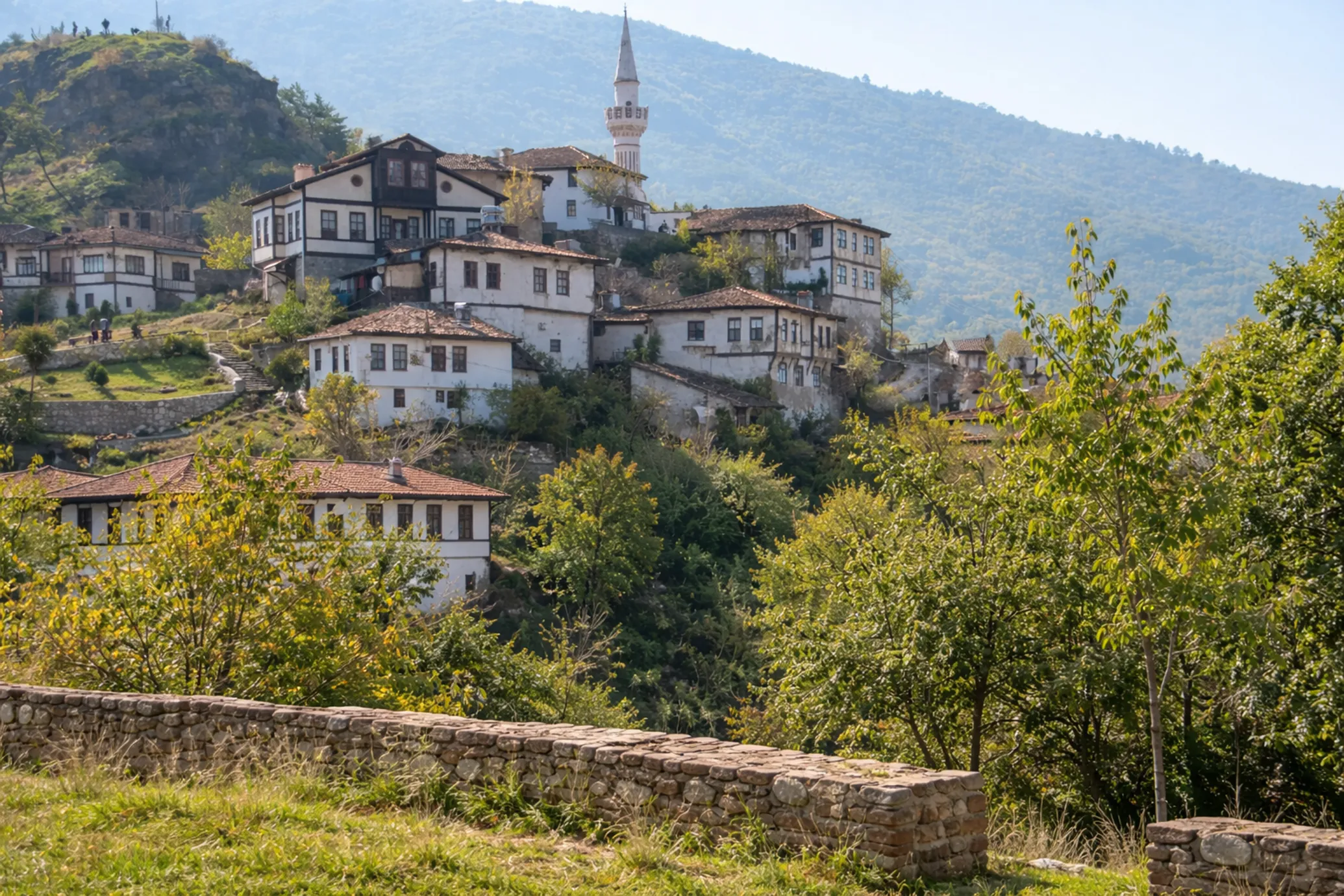
From this perspective, Taraklı houses can be read not just as a building stock but as a multi-layered cultural heritage site that needs to be evaluated through lifestyles, usage practices, and the meanings they carry.
Architectural Features of Taraklı Houses
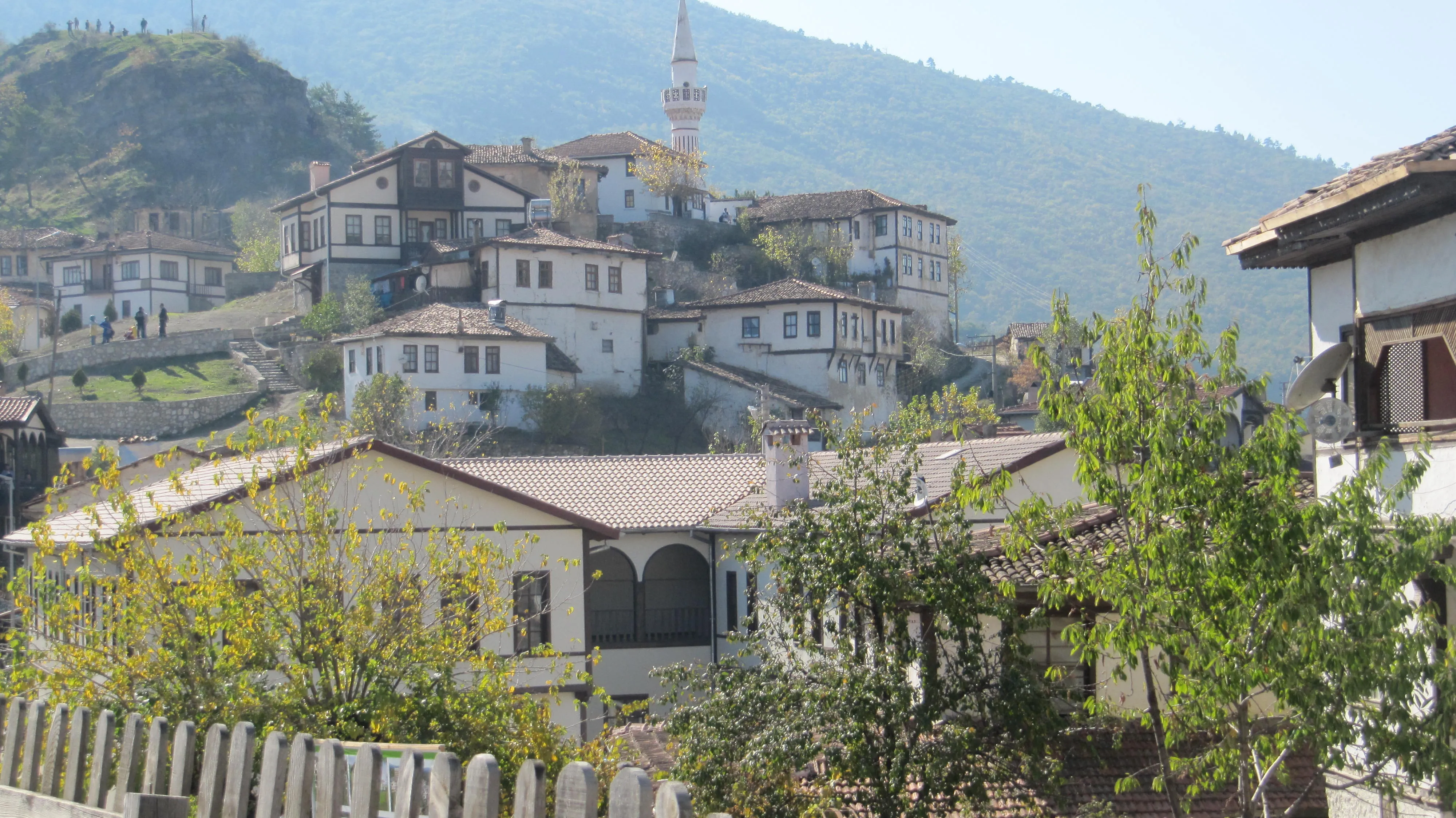
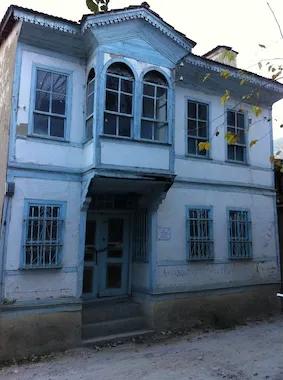
Traditional Taraklı residences stand out with their settlement compatible with topography, human-scaled streets, and spatial setup centering on daily life. In these houses, which are generally two or three stories high, lower floors are reserved for service functions, while living areas are located on the upper floors organized around a sofa (hall). Projections located on the upper floors enrich both the plan scheme and the street silhouette, establishing a controlled relationship between the residence and the public space. The construction system dominated by stone and wood, and fixed interior elements such as cedar seating (sedir), hearth, and closet (yüklük) turn Taraklı houses into a spatial order shaped by life practice rather than just an architectural typology.
This architectural setup shows that Taraklı houses were shaped not only formally but within a continuity based on usage.
The Relationship Taraklı Houses Establish with Daily Life
The settlement of structures in harmony with the topography shows that architecture prefers to negotiate with the terrain rather than transforming it. The gradual placement of structures stems from the concern not to block each other’s light and air circulation. At the same time, windows not opening to neighbors’ private areas reveal the importance given to privacy.
Taraklı houses are not structures detached from the street and closed in on themselves. On the contrary, the street is a natural extension of life. Streets constructed at a human scale and spatial continuity show that architecture offers a framework supporting daily life. These houses were built to be lived in, not to be shown. Architecture appears here not as a means of representation but as a natural component of life.
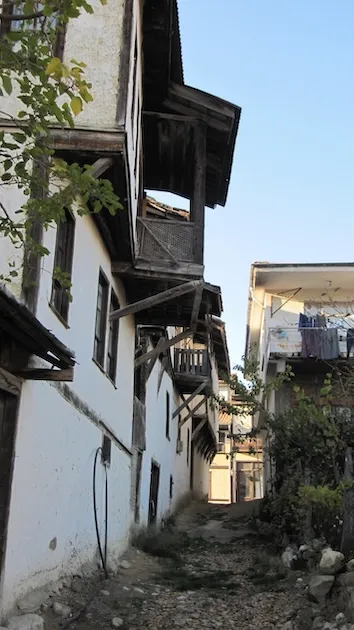
While entrance floors undertake service functions by establishing a relationship with open areas such as gardens and courtyards, upper floors host both sofa spaces where time is spent together and rooms that make it possible to retreat to private areas when necessary. Rooms are designed to meet users’ daily needs; equipped with fixed furniture suitable for these needs.
Taraklı Houses in Terms of Cultural Heritage Values
The cultural heritage quality of Taraklı houses does not stem solely from their physical authenticity. These structures carry different heritage values together, such as memory, identity, function, aesthetics, and continuity of use. The use of houses as residences for many years has ensured a strong bond between space and life; this bond has produced not only individual memories but also collective memory.
Neighborhood relations, daily practices, and spatial continuity bring Taraklı houses closer to the “living heritage” category. However, these values are not fixed. Changing economic, social, and spatial conditions constantly re-raise the question of which aspects of the heritage will be preserved and which will be transformed.
Taraklı Today
Today, some of the Taraklı houses continue their residential function. Daily practices and social relations continuing in these houses show that Taraklı is still a living heritage. However, in recent years, a part of these structures has been restored and refunctioned for different purposes, primarily accommodation. This situation places Taraklı on a fragile balance.
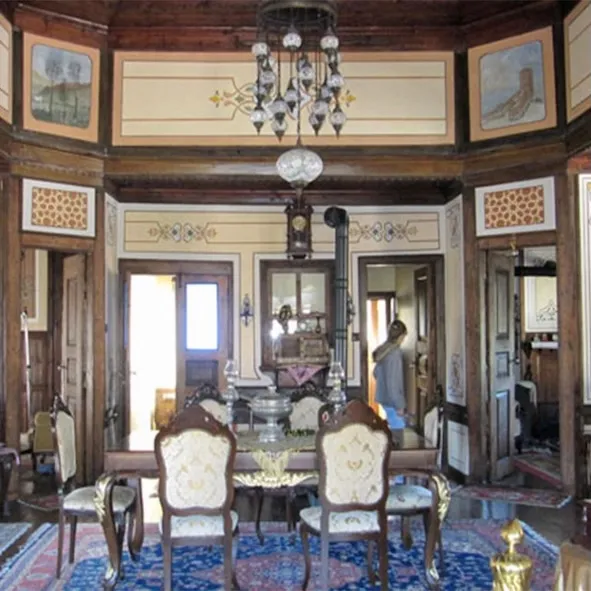
New functions shaped by tourism challenge this balance every day. Every decision taken determines the future of Taraklı houses: Will these structures exist as spaces where life and the values carried by traditional Taraklı houses continue, or will they turn into aestheticized showcase objects?
Taraklı’s Tomorrow
Taraklı houses invite us to think of cultural heritage not as a remnant belonging to the past but as a value existing together with today. These houses gain meaning not only by being preserved but by the sustainability of the heritage values they carry. Cultural heritage is not freezing the past; it is the will to carry today to the future. Taraklı is one of the places where this will is tested.
🔹 Editorial Note
• This article is part of the editorial readings on cultural heritage at Pinatolia.
🔹 Copyright Note
• The content of this article belongs to the author. It cannot be reproduced or used for commercial purposes without citation.
🔹 If you liked this article, you might also like this one,
https://www.pinatolia.com/en/articles/architectural-routes/tarakli